
In long-distance hiking, preparation is everything. But as Zach Davis discovered, preparing your gear is different from preparing your mind. After completing the Appalachian Trail in 2011 with little prior experience, Zach wrote Appalachian Trials, a psychological guide that became a bible for aspiring thru-hikers.
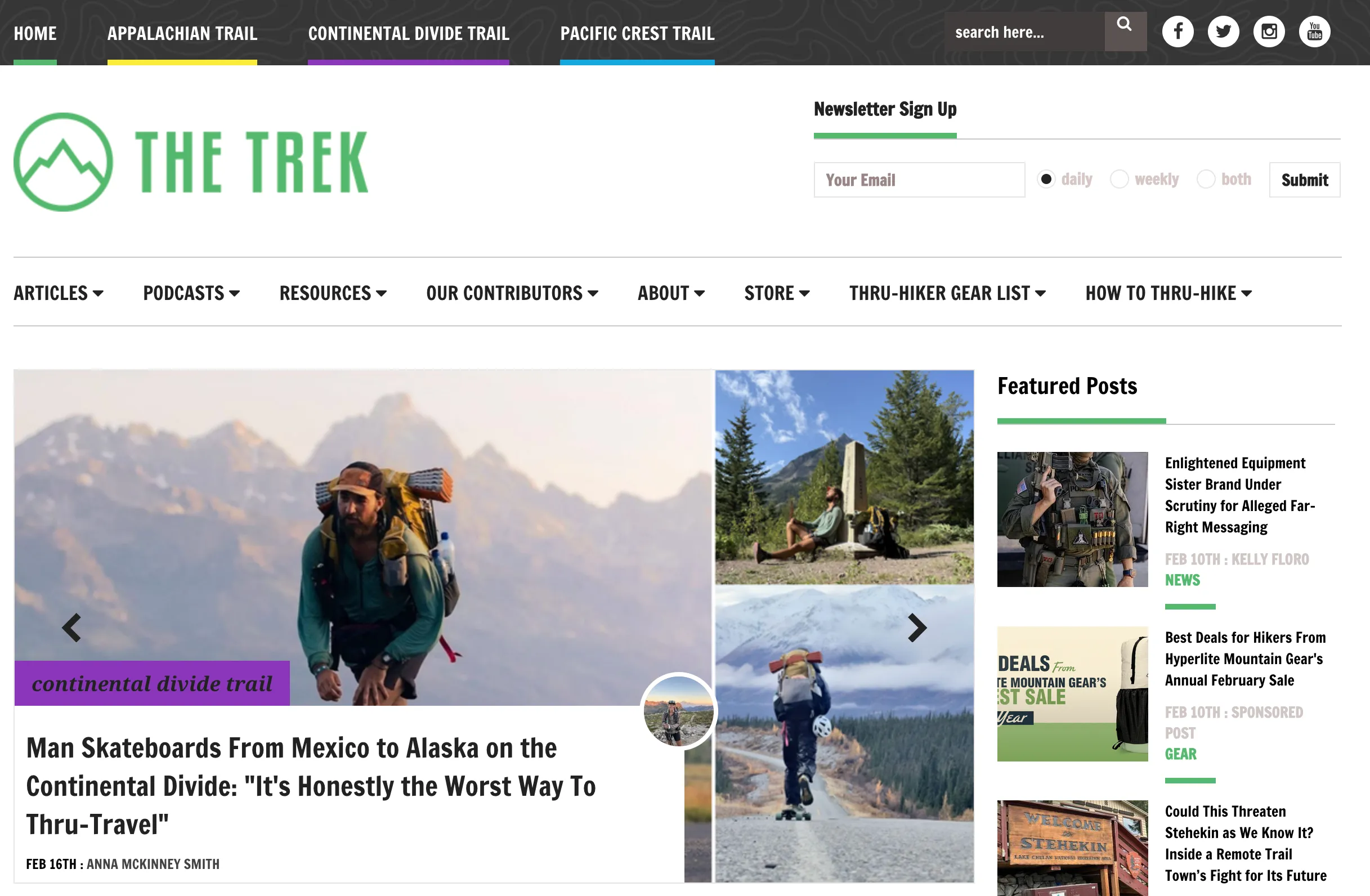
The book’s success gave Zach the platform to found The Trek, a digital media outlet dedicated to the culture, news, and stories of long-distance hiking. What started as a personal blog grew into a large network where hikers post from the trail in real time. Today, The Trek is the definitive voice for the hiking community, with content that spans gear reviews and the mental strategies for finishing a trail.
The problem
Success brings its own complications. As The Trek’s popularity grew, Zach shifted from being the sole voice to curating a platform for dozens, and eventually hundreds, of contributors.
Those authors wanted a way to build their own followings within The Trek. They needed a system where readers could subscribe to a specific hiker rather than the general newsletter.
The existing tech stack (standard WordPress and MailChimp integrations) wasn’t built for that level of granularity. Creating and managing email campaigns by hand for hundreds of individual authors was impossible. Zach had a thriving community of creators but no infrastructure to scale the direct author-to-reader connection his audience wanted.
The solution
For The Trek to scale, the system had to be zero-touch for Zach and his team. Anything that needed manual intervention would eventually break.
We built a custom automation that used RSS feeds to connect content creation to content distribution.
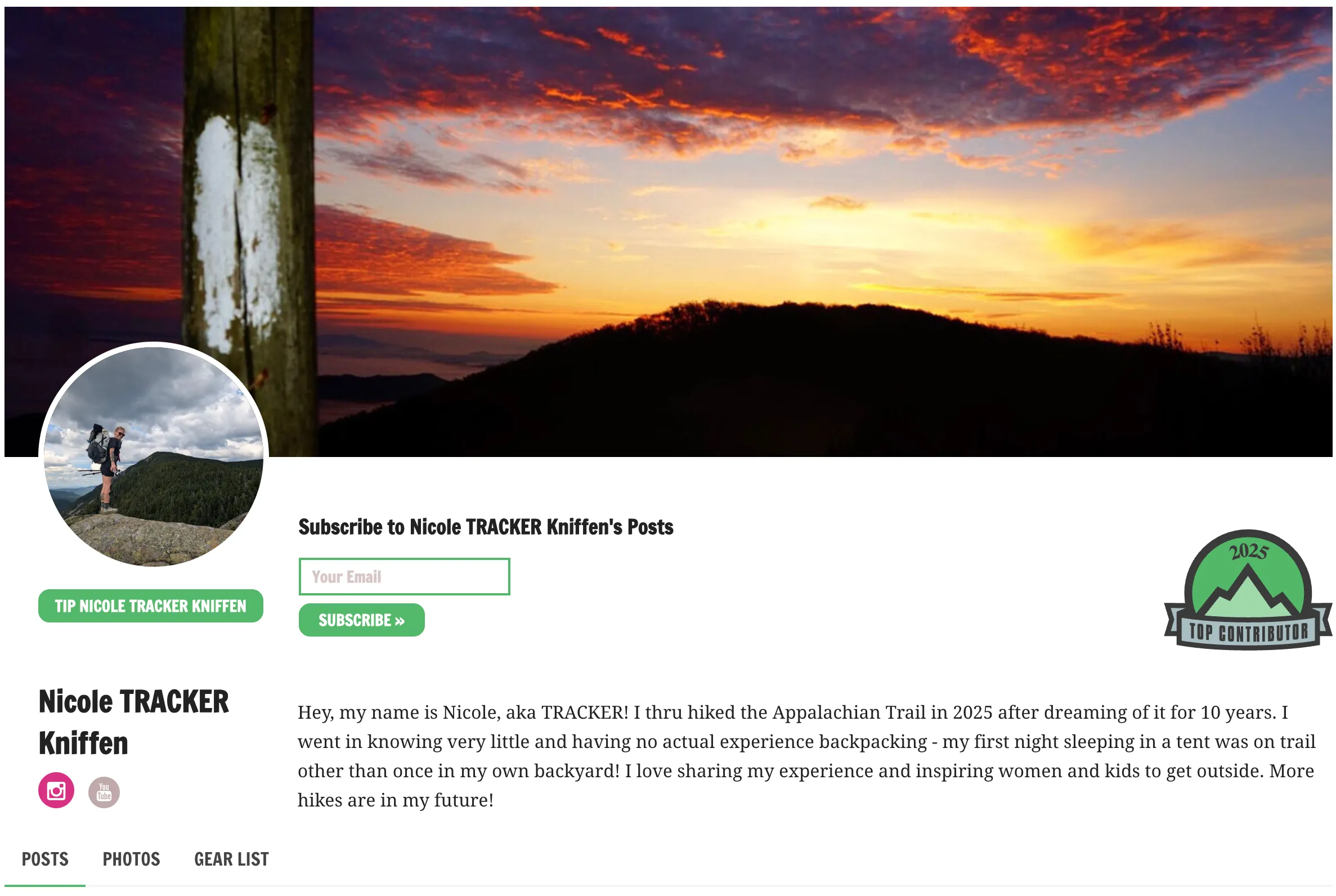
We started by dropping the single “blast” list and using WordPress’s native ability to generate an RSS feed for each author. MailChimp was then configured to listen to those individual feeds, with a dedicated subscription list created automatically for every author.
When an author publishes a post on The Trek, the system detects the update. If that author contributed at any point during the week, the system compiles those posts and sends a weekly update to that author’s subscribers.
This decentralized the distribution. Readers could shape their own inbox around the hikers they wanted to follow, while Zach and his editorial team focused on content quality instead of email logistics.
Result
Removing the technical friction between authors and their audiences drove real growth for The Trek. The automation saved time, and it changed how the platform retained users.
- Subscriber growth: roughly 70,000 subscribers across the author lists
- Author following: 40,000+ readers subscribed to individual authors
- Volume at scale: 1.2 million emails a year, with no manual campaign management.
- Long-term impact: this infrastructure has supported steady year-over-year growth in both readership and revenue for the last 10 years.
The system turned The Trek from a standard blog into a full publishing network that supports individual creators while aggregating traffic back to the main brand.
What this shows
Niche communities scale best when you support the individual voices inside them. By automating the connection between 450+ hikers and their followers, we turned an unmanageable logistics problem into a self-sustaining growth engine.
Technology should never be the barrier to community building. Whether you are a solo founder or running a media company, the right automation turns your operations from a bottleneck into an advantage.
Is your current tech stack holding back your community’s growth?